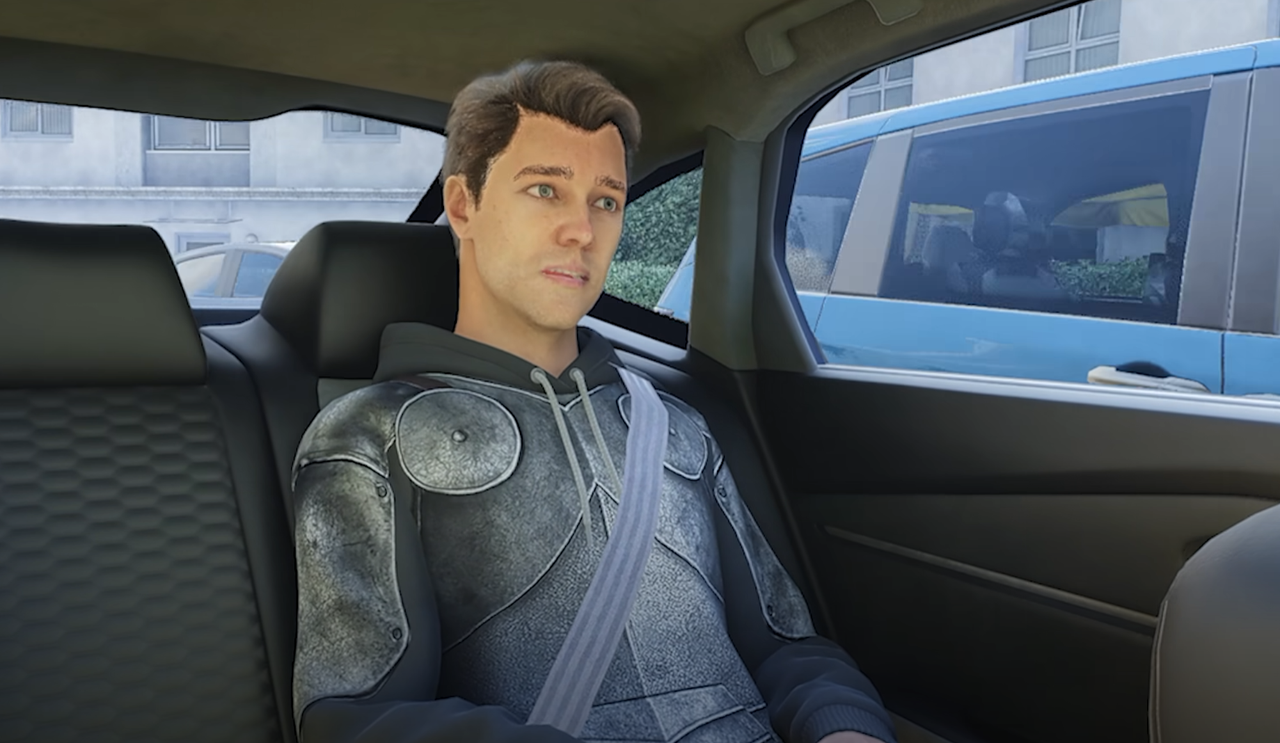
In an interview with PC Gamer's Joshua Wolens at Gamescom, Saber Interactive Chief Creative Officer Tim Willits addressed recent controversies surrounding the studio, saying leadership has a reputation for saying exactly what it means—sometimes too much, he admitted with a laugh. Asked whether recent dust-ups would prompt a change in the studio's communications strategy, Willits said no, noting that in his long career there has always been some controversy, citing backlash the studio faced when World War Z launched on Epic Games Store, which was later played by 30 million people.
The recent controversy stems from former Saber writer Stella Sacco's claim that she was fired and replaced by AI during development of Rideshare Stimulator. Saber's comms team initially issued a statement disputing details of her claim, but CEO Matt Karch followed with a statement to This Week In Videogames that was both strongly pro-AI and personally insulting toward Sacco. Karch later apologized privately to Sacco and issued a follow-up statement reflecting on the incident, though that statement contained a targeted jab at a different games journalist, which has since been edited out.
Despite these unforced errors, Willits said he believes Rideshare Stimulator will speak for itself, encouraging people to try the game and make their own judgments about the AI concerns. He said Saber will continue focusing on making the best games possible and trust that players will find and play games they enjoy.
In a separate conversation with Wolens, Willits argued that the games industry's broader struggles—including layoffs—stem partly from overreliance on huge-scope games built by highly specialized, siloed teams. He said Saber avoids this problem by spreading resources across games of different scopes, using revenue from smaller titles and remasters to help fund larger projects like Space Marine 2 and the upcoming Jurassic Park: Survival. He warned that studios with hundreds of employees dedicated to a single game will struggle to survive.
Willits pointed to SnowRunner—which began as an experiment by one developer and has since become what he called a 'mega franchise' for Saber, amassing over 46,000 Steam user reviews—as an example of how nimble, flexible development can pay off unexpectedly. He said this approach also boosts morale, since staff aren't stuck on one project for years, and said he wouldn't want to turn Saber into a Rockstar-style single-franchise studio even if he could. Willits added that he thinks it's actually a good time for the industry despite its challenges, and that AI's growing role in development isn't necessarily a bad thing—claiming that id Software, where he served as studio director from 1995 to 2019, would have used AI tools if they'd existed back then.